Introduction
In the culinary world, N2O chargers have ended up being a necessary tool, particularly for producing whipped cream and instilling flavors into numerous meals. These little yet powerful cylinders, likewise called cream charger cylinders, consist of nitrous oxide (N2O), a gas that not just improves the texture of whipped cream however also serves other cooking applications. Nevertheless, while they provide various advantages in the cooking area, it's crucial to focus on security when dealing with and storing these chargers.
In this extensive guide, we'll delve into the very best practices for the handling and storage of nitrous oxide cream battery charger cylinders Our goal is to offer you with extensive insights that ensure security first in your cooking adventures. From comprehending the properties of N2O to proper storage techniques, we have actually got you covered.
What are N2O Cream Charger Cylinders?
Understanding Nitrous Oxide
Nitrous oxide is a colorless gas typically utilized in numerous industries, consisting of food and medical fields. Often described as laughing gas, it has special residential or commercial properties that make it ideal for a range of applications.
The Function of Cream Battery Charger Cylinders
Cream charger cylinders, particularly created for use in whipped cream dispensers, contain nitrous oxide under pressure. When released, this gas expands rapidly, triggering liquids to aerate and produce fluffy whipped cream.

Types of Nitrous Oxide Chargers
Whipped Cream Battery charger Cylinders- Primarily used in kitchens Ideal for whipping cream quickly
- Another term typically used interchangeably with cream chargers Popular amongst those who delight in do it yourself culinary projects
Safety First: Proper Handling and Storage Tips for N2O Chargers
Why Safety Matters
While N2O chargers serve important purposes in food preparation and other uses, incorrect handling can result in mishaps or injuries. Understanding how to handle these containers securely is paramount.
Handling N2O Chargers with Care
Inspect Before Use- Always look for any signs of damage before utilizing any nitrous oxide nang canisters Look for damages or leakages which could present hazards.
- Ensure you're utilizing suitable dispensers created particularly for N2O chargers to avoid malfunctioning or accidents.
- Store away from heat sources or direct sunshine as high temperatures can increase internal pressure.
- While nitrous oxide is safe when used correctly in food preparation, inhaling it straight can be unsafe and need to be avoided.
- Do not discard empty containers in routine trash; rather, follow regional guidelines on harmful product disposal.
Storage Standards for Nitrous Oxide Cream Charger Cylinders
Ideal Storage Conditions
To maintain integrity and security when storing your cream battery charger canisters, think about the following:
Cool, Dry Place- Store in a cool dry location that's well-ventilated.
- Keep far from kids's reach and firmly secured to avoid unintentional falls or misuse.
- Always store nang tanks upright to prevent leakages or ruptures from occurring.
- Minimize exposure time outside their storage location whenever possible after opening them.
Understanding the Risks Connected with N2O Chargers
Pressure Hazards
The primary threat related to nitrous oxide chargers stems from their pressurized nature:
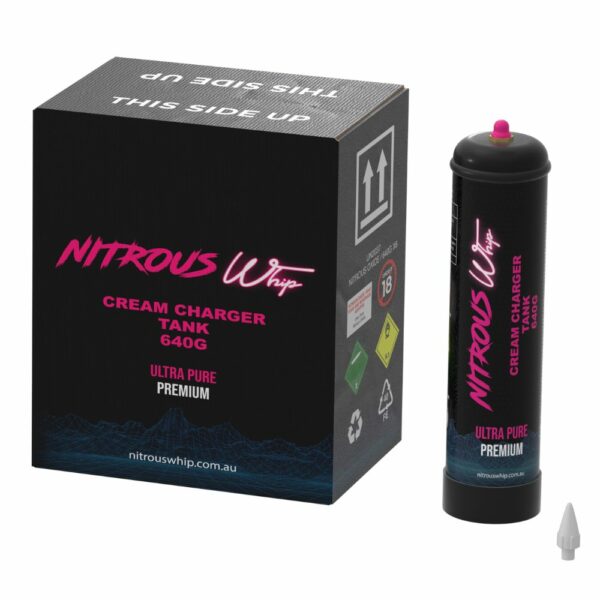
- Overheating might cause them to explode. A punctured cylinder can launch gas quickly and cause injury.
Health Risks
Though typically safe when used appropriately:
- Direct inhalation might cause hypoxia (lack of oxygen). Misuse can result in neurological effects gradually due to absence of oxygen supply.
FAQs about N2O Chargers
1. What occurs if I inhale nitrous oxide directly?
Inhaling nitrous oxide straight may result in lightheadedness, loss of coordination, or perhaps unconsciousness due to decreased oxygen levels in your bloodstream.
2. Can I store my N2O chargers in a hot garage?
It's not recommended; high temperatures increase pressure inside the canister which might lead to rupture or explosion.
3. What need to I do if I discover a damaged charger?
Do not try to use it; safely get rid of it according to local contaminated materials standards immediately.
4. Are there age restrictions on purchasing N2O chargers?
Yes! Numerous locations need buyers to be at least 18 years old due to prospective abuse associated with inhalation.
5. For how long do N2O battery chargers last?
Typically unopened battery chargers have an indefinite service life but should https://griffinziht375.timeforchangecounselling.com/scheduled-server-upgrade-in-progress-operation-will-resume-later-today-details-available-on-our-blog be inspected regularly for damage or signs of wear before use.
6. Exist particular brands that are much better than others?
Quality differs among makers; constantly select credible brands understood for strenuous safety requirements like Whip-It! or iSi.
Conclusion
Handling nitrous oxide cream battery charger cylinders needs caution and adherence to security practices to avoid mishaps and guarantee responsible usage. By understanding what these battery chargers are, how they work, and executing efficient storage techniques, you substantially reduce threats related to them while optimizing their culinary potential.
As we've checked out throughout this article on "Security First: Proper Handling and Storage Tips for N2O Chargers," understanding is power-- particularly when handling pressurized gases like nitrous oxide (N2O). Whether you're whipping up scrumptious desserts or explore brand-new flavors in your kitchen area developments, always remember: safety comes first!
This detailed guide intends not only at educating users about safe practices but likewise instilling self-confidence in their capability to manage these tools effectively-- ensuring every cooking experience remains pleasurable and incident-free!